
Top 5 Winter Work Gear for Foreign Workers in Korea: Stay Warm on Cold Shifts
Korean winters are cold and dry, and from December to February the morning temperature in many areas often drops below zero. If you work outside on a farm, at a construction site, in a greenhouse (비닐하우스), or in a factory or warehouse that is not heated, the cold can make a long shift feel even longer.
This guide lists five simple pieces of winter work gear that help you stay warm and work safely, and explains why each one is useful. It is general life advice, not a product review. We do not list prices because they change, so please check the product page for the current price and details.
First, ask your company what it provides
Many workplaces give workers basic safety gear such as gloves, safety shoes (안전화) or a winter jacket. Ask your manager or team leader what you will receive before you buy anything, and follow the safety rules of your workplace. For example, some machines are dangerous with loose scarves or long neck warmers, so check what is allowed near machines.
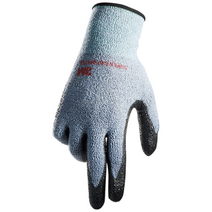
1. Insulated coated work gloves (방한 코팅장갑)
Thin cotton work gloves (목장갑) get wet and cold very fast in winter. Winter work gloves have a warm brushed or fleece lining inside and a rubber coating on the palm, so your hands stay warmer and you can still grip boxes, tools and plants.
Tip: keep at least one dry spare pair in your bag. Wet gloves take your body heat away quickly, so change them at lunch if they get wet.
One option is a multi-pack of 3M 슈퍼그립 윈터 겨울 기모 코팅작업장갑. Check the size chart on the product page, because gloves that are too big are less safe to work with.
2. A fleece neck warmer (넥워머 / 목토시)
A lot of heat escapes from your neck, especially when cold wind blows into your jacket collar. A neck warmer is smaller and safer than a long scarf, and a longer one can also be pulled up to cover your face on very windy mornings or on the bike or scooter ride to work.
Wash it often, because it gets damp from your breath.
One example is this 2-piece 기모 롱 목토시 set, so you can wear one while the other one is being washed.

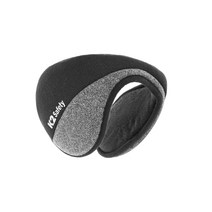
3. Winter ear muffs (방한 귀마개)
Your ears get cold first, and they can hurt badly in the wind. Ear muffs are easy to put on and take off between tasks, and many people wear them under a hood or with a winter hat.
Safety note: you still need to hear warnings, forklifts and coworkers. Do not use ear muffs to block sound where your workplace needs you to hear, and follow the rules about hearing protection if you work in a noisy area.
One option is the K2 Safety 듀얼 방한 귀마개. Check the size and how it is worn on the product page.
4. Thick winter socks (두꺼운 양말)
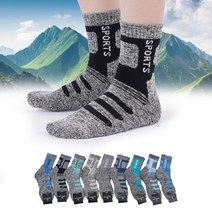
Cold feet make the whole body feel cold, and standing on a concrete floor or frozen ground all day takes the heat out of your feet. Thick hiking-style socks are warmer and give more cushion inside work boots or safety shoes.
Tip: if your feet sweat, change socks at lunch. Damp socks feel colder than you expect. Make sure your shoes are not too tight with thick socks, because tight shoes reduce blood flow and make your feet colder.
One multi-pack option is the 셀마운틴 남성 겨울 등산 양말 두꺼운 작업용 10켤레.
5. A thermos bottle (보온병) for hot drinks
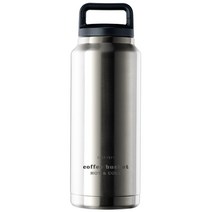
A hot drink during your break warms you from the inside, and on a farm or outdoor site there may be no hot water nearby. Fill a thermos with hot water, tea or coffee in the morning, or bring hot water for instant noodles or a simple cup of 보리차 (barley tea).
Drinking enough water is important in winter too. The air in Korea is very dry, and people often drink less when it is cold.
One option is the 코멕스 손잡이 보온보냉병 1L. Check how long it keeps drinks hot on the product page.
Simple cold-weather safety tips
- Wear layers. A thin base layer, a warm middle layer and a windproof jacket are warmer than one thick piece, and you can take a layer off when you start to sweat.
- Watch out for ice (빙판길) in the early morning, especially on stairs, ramps and greenhouse paths.
- If your fingers, toes or ears become numb, pale or very painful, go somewhere warm and tell your manager. Do not rub frozen skin hard.
- Never use a gas or charcoal heater in a closed room or container. It can cause carbon monoxide poisoning.
To order on Coupang you usually need: a Korean phone number for sign-up and verification; often your Residence Card (외국인등록증, formerly called Alien Registration Card) for identity verification; and a payment card or bank account that works in Korea. If one step fails, ask a Korean coworker or your company manager to help you check the settings.
Prices, sizes and stock change often, so always check the current price, size and seller details on the product page before you buy.