Grammar & Vocab

Voca Day 23: Level 1 Korean Words – International Standard Korean Curriculum

Welcome to Day 23! Learn 8 Level 1 words from the International Standard Korean Curriculum (국제통용 한국어 표준 교육과정 1급) with examples from everyday life in Korea, then test yourself with a mini quiz.

Quick Review: Day 22

Do you still remember these words from Day 22?

도서관 library
도와주다 help
도착 arrival
독일 Germany
돈 money
돌아가다 go back
돌아오다 come back
돕다 help

1. Today’s Words

Illustration of a smiling girl in a pink dress and straw hat holding hands with a boy in a blue vest in front of Seoul's stone East Gate, with cherry blossoms and a fruit stall, for 동대문 (Dongdaemun).

1. 동대문Noun (명사)
[dongdaemun]
Dongdaemun (East Gate, a historic gate and district in Seoul)
동대문에서 쇼핑해요.
I shop at Dongdaemun.
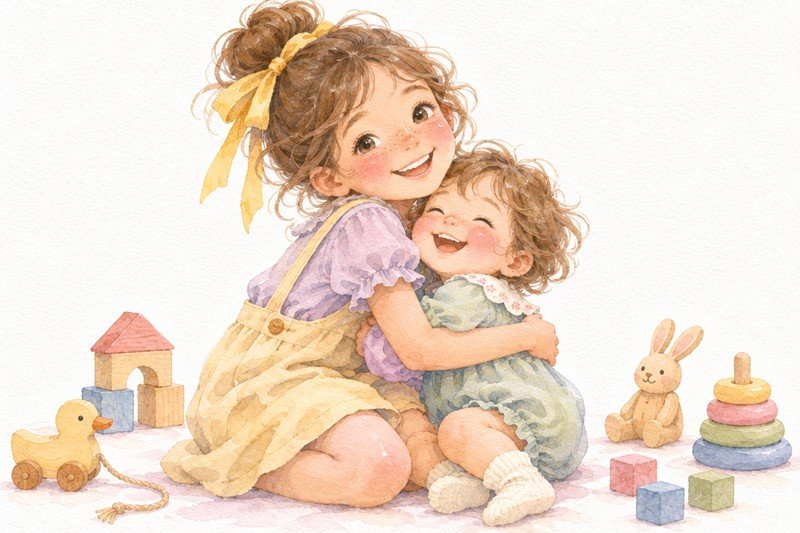
Illustration of an older girl with a yellow hair ribbon hugging her smiling younger sibling among wooden toys, a duck, a bunny, and stacking rings, for 동생 (younger brother or sister).

2. 동생Noun (명사)
[dongsaeng]
younger brother or sister
제 동생은 학생이에요.
My younger sibling is a student.
Illustration of a boy sitting on a yellow park bench under a tree, waiting beside an hourglass and a blue bird while his backpack rests on the ground, for 동안 (during; for a period of time).

3. 동안Noun (명사)
[dongan]
during; for (a period of time)
한 시간 동안 기다렸어요.
I waited for one hour.
Illustration of a girl in a white doctor's coat and pink stethoscope smiling at herself in an oval mirror, with a toy medical kit on a stool, for 되다 (to become).

4. 되다Verb (동사)
[doeda]
to become; to be (a job or state)
저는 의사가 되고 싶어요.
I want to become a doctor.
Illustration of a girl in a pink apron happily eating steaming soybean paste stew with tofu and green onions from an earthen pot, with rice and kimchi beside it, for 된장찌개 (doenjang jjigae; soybean paste stew).

5. 된장찌개Noun (명사)
[doenjangjjigae]
doenjang jjigae (soybean paste stew)
점심에 된장찌개를 먹어요.
I eat doenjang jjigae for lunch.
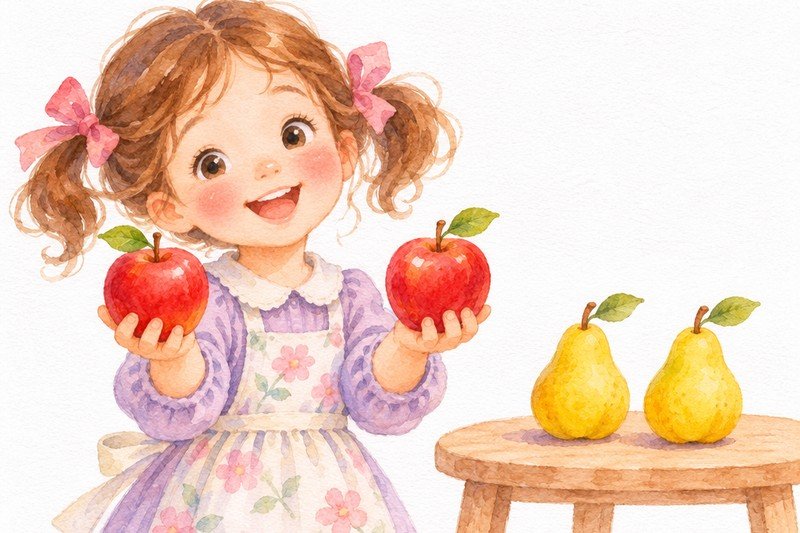
Illustration of a smiling girl in pigtails holding up two red apples, with two yellow pears on a wooden stool, for 두 (two, before a noun).

6. 두Determiner (관형사)
[du]
two (before a noun)
사과 두 개 주세요.
Please give me two apples.
Illustration of a boy in a blue shirt and a girl in a pink dress holding hands and each holding up a peace sign, with two blue birds on a branch above them, for 둘 (two, the number used alone).

7. 둘Numeral (수사)
[dul]
two (the number, used alone)
우리는 둘이에요.
There are two of us.
Illustration of a smiling girl in a yellow floral dress standing in a meadow while a boy and an orange cat peek out from behind a large tree, for 뒤 (back; behind).

8. 뒤Noun (명사)
[dwi]
back; behind; after
학교 뒤에 공원이 있어요.
There is a park behind the school.

2. Word Details

1. 동대문[dongdaemun]

Meaning: Dongdaemun (East Gate, a historic gate and district in Seoul)
Hanja: 東大門

  • 동대문은 서울에 있어요.
    Dongdaemun is in Seoul.
  • 주말에 친구와 동대문 시장에 가요.
    On weekends I go to Dongdaemun Market with a friend.

Place name: 동대문 = Dongdaemun (Seoul’s East Gate and the area around it). Related: 서울 (Seoul), 시장 (market)

2. 동생[dongsaeng]

Meaning: younger brother or sister
Hanja: 同生

  • 동생이 있어요?
    Do you have a younger sibling?
  • 동생에게 월급으로 선물을 사 줬어요.
    I bought my younger sibling a gift with my pay.

Pattern: 남동생 = younger brother; 여동생 = younger sister. Opposite: 형, 누나, 오빠, 언니 (older siblings). Related: 가족 (family)

3. 동안[dongan]

Meaning: during; for (a period of time)

  • 방학 동안 한국에 있었어요.
    I was in Korea during the vacation.
  • 일하는 동안 음악을 안 들어요.
    I do not listen to music while I work.

Pattern: 시간 + 동안 = for a period of time (며칠 동안 = for several days). Related: 때 (time, when), 후 (after)

4. 되다[doeda]

Meaning: to become; to be (a job or state)

  • 물이 얼음이 돼요.
    Water becomes ice.
  • 한국어를 배워서 통역사가 됐어요.
    I learned Korean and became an interpreter.

Pattern: ~이/가 되다 = to become ___ (배우가 되다 = to become an actor). Related: 하다 (to do), 만들다 (to make)

5. 된장찌개[doenjangjjigae]

Meaning: doenjang jjigae (soybean paste stew)

  • 된장찌개가 맛있어요.
    The doenjang jjigae is delicious.
  • 어머니가 된장찌개를 끓여 줘요.
    My mother cooks doenjang jjigae for me.

Pattern: 된장찌개를 끓이다 = to cook doenjang jjigae. Related: 김치찌개 (kimchi stew), 밥 (rice)

6. 두[du]

Meaning: two (before a noun)

  • 두 사람이 와요.
    Two people are coming.
  • 저는 한국에서 두 해 동안 일했어요.
    I worked in Korea for two years.

Pattern: 두 + counter (두 개, 두 명, 두 시) = two ___. Used before a noun; alone, use 둘. Related: 세 (three), 네 (four)

7. 둘[dul]

Meaning: two (the number, used alone)

  • 둘 다 좋아요.
    Both are good.
  • 이 일은 둘이 하면 빨라요.
    This job is quick if two people do it.

Pattern: 둘이 = two people; 둘 다 = both. Used alone; before a noun, use 두. Related: 하나 (one), 셋 (three)

8. 뒤[dwi]

Meaning: back; behind; after

  • 제 뒤에 앉으세요.
    Please sit behind me.
  • 일이 끝난 뒤에 저녁을 먹어요.
    I eat dinner after work ends.

Pattern: 뒤에 있다 = to be behind; ~(으)ㄴ 뒤에 = after doing ___. Opposite: 앞 (front). Related: 옆 (side), 후 (after)

3. Mini Quiz

Answered 0 / 6

1Which word means “Dongdaemun (East Gate, a historic gate and district in Seoul)”?
동대문 = Dongdaemun (East Gate, a historic gate and district in Seoul). 동대문에서 쇼핑해요. = I shop at Dongdaemun
2Which word means “younger brother or sister”?
동생 = younger brother or sister. 제 동생은 학생이에요. = My younger sibling is a student
3Which word means “during; for (a period of time)”?
동안 = during; for (a period of time). 한 시간 동안 기다렸어요. = I waited for one hour
4Which word means “to become; to be (a job or state)”?
되다 = to become; to be (a job or state). 저는 의사가 되고 싶어요. = I want to become a doctor
5Which word means “doenjang jjigae (soybean paste stew)”?
된장찌개 = doenjang jjigae (soybean paste stew). 점심에 된장찌개를 먹어요. = I eat doenjang jjigae for lunch
6Which word means “back; behind; after”?
뒤 = back; behind; after. 학교 뒤에 공원이 있어요. = There is a park behind the school
Your score
0

4. How This Series Works

Every weekday you get 8 new Level 1 words from the International Standard Korean Curriculum plus a quiz. Each post starts with a short review of the previous day’s words. Saturday has a 20-question weekly quiz, and Sunday has a word list summary of the week.

5. Next Time

Day 24: 드라마, 드리다, 듣다, 들다 and more!

One thought on “Voca Day 23: Level 1 Korean Words – International Standard Korean Curriculum”

Leave a Reply

Your email address will not be published. Required fields are marked *