
Voca Day 01: Level 1 Korean Words – International Standard Korean Curriculum
Welcome to Day 01! Learn 8 Level 1 words from the International Standard Korean Curriculum (국제통용 한국어 표준 교육과정 1급) with examples from everyday life in Korea, then test yourself with a mini quiz.
1. Today’s Words



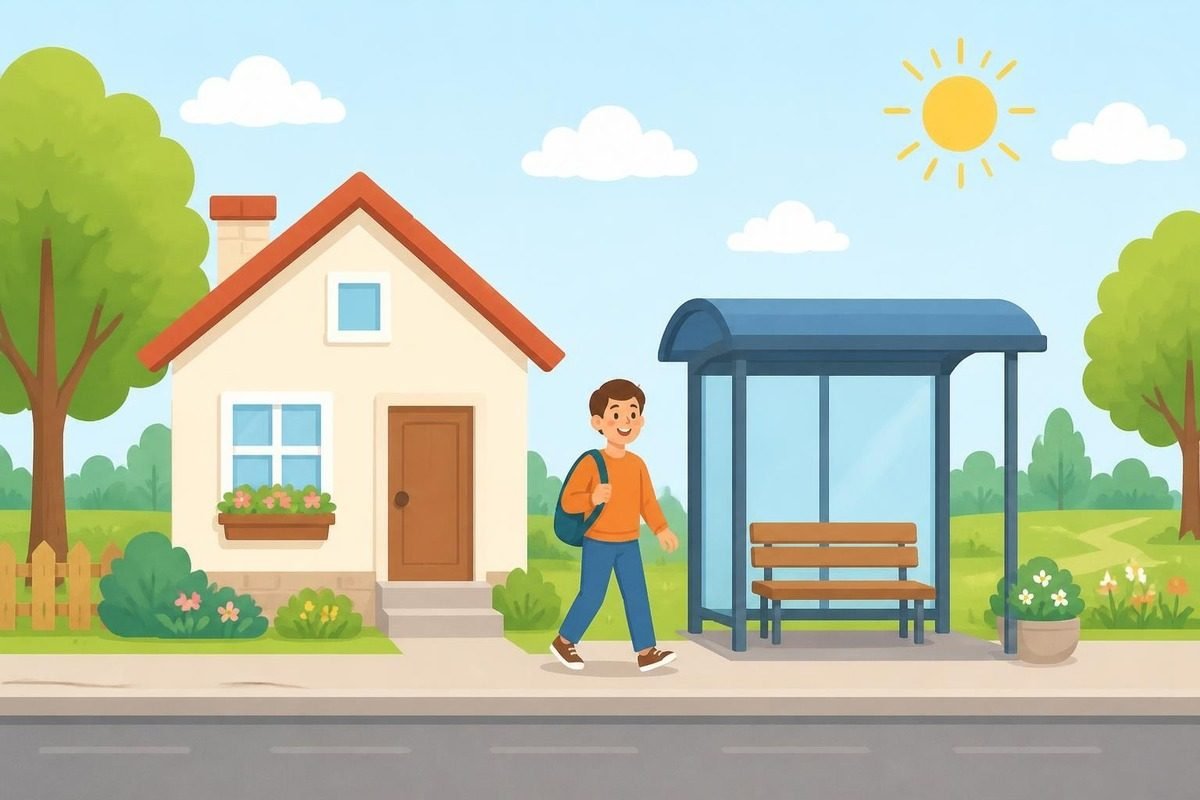

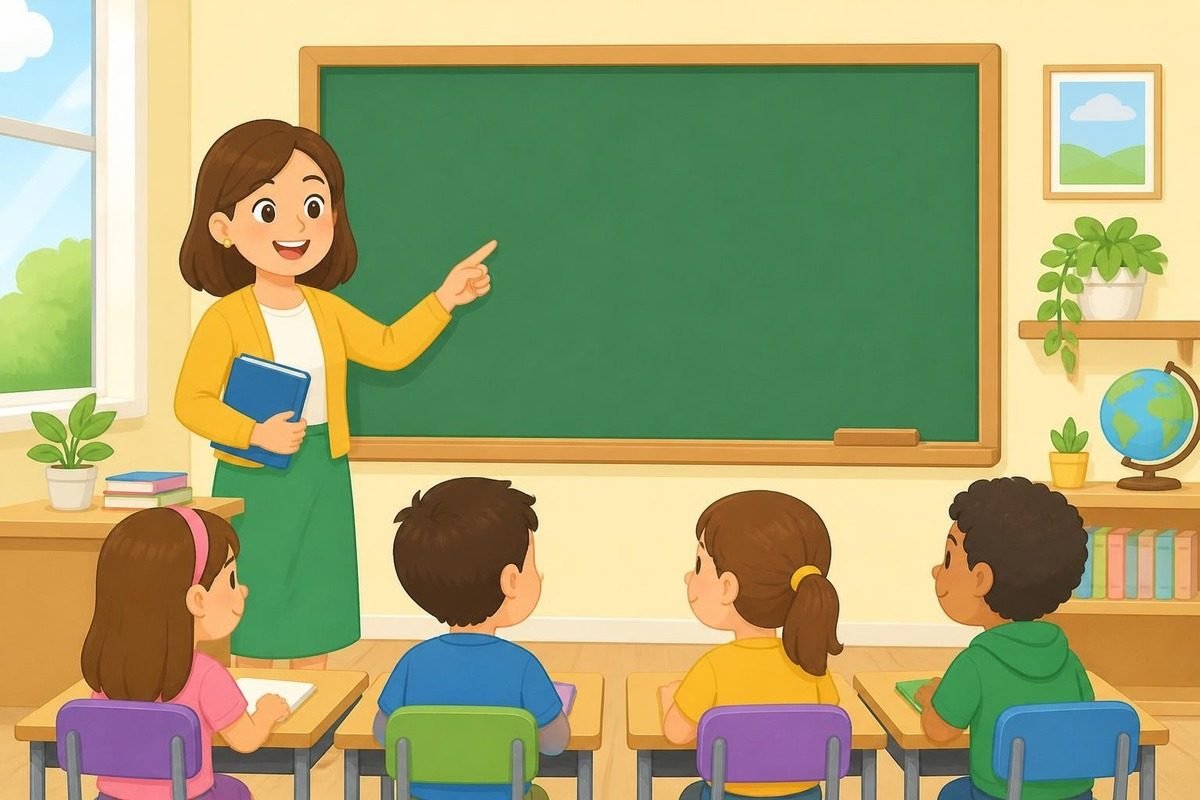


2. Word Details
1. 가게[gage]
Meaning: store, shop
- 가게에 가요.
I’m going to the store. - 퇴근하고 집 근처 가게에서 우유하고 빵을 샀어요.
After work, I bought milk and bread at a store near my home.
Expressions: 가게에 가다 (to go to a store), 가게 문을 열다 (to open the store). Related: 편의점 (convenience store), 시장 (market)
2. 가격[gagyeok]
Meaning: price
Hanja: 價格
- 이 사과 가격이 얼마예요?
How much are these apples? - 시장은 마트보다 과일 가격이 싸서 주말마다 시장에 가요.
Fruit is cheaper at the market than at the supermarket, so I go to the market every weekend.
Expressions: 가격이 비싸다 (to be expensive), 가격이 싸다 (to be cheap). Similar: 값 (price)
3. 가구[gagu]
Meaning: furniture
Hanja: 家具
- 방에 가구가 많아요.
There is a lot of furniture in the room. - 기숙사에 침대하고 책상 같은 가구가 있어서 따로 안 샀어요.
The dormitory has furniture like a bed and a desk, so I didn’t buy any myself.
Expression: 가구를 놓다 (to place furniture). Examples: 침대 (bed), 책상 (desk), 의자 (chair), 옷장 (wardrobe). Note: a different word 가구 means household; here it means furniture
4. 가깝다[gakkaptta]
Meaning: close, near
- 지하철역이 가까워요.
The subway station is close. - 기숙사가 공장에서 가까워서 매일 걸어서 출근해요.
The dormitory is close to the factory, so I walk to work every day.
Opposite: 멀다 (far). Expression: 거리가 가깝다 (the distance is short). Note: ㅂ irregular: ㅂ becomes 우 before a vowel, so 가깝 + 어요 → 가까워요
5. 가다[gada]
Meaning: to go
- 어디에 가요?
Where are you going? - 주말에 친구하고 버스를 타고 시내에 갔어요.
On the weekend, I took a bus downtown with a friend.
Opposite: 오다 (to come). Expressions: 학교에 가다 (to go to school), 집에 가다 (to go home). Forms: 가요 (go, polite), 갔어요 (went)
6. 가르치다[gareuchida]
Meaning: to teach
- 저는 동생에게 영어를 가르쳐요.
I teach English to my younger sibling. - 일요일마다 외국인센터에서 한국어를 가르쳐 주는 수업이 있어요.
Every Sunday there is a class at the foreigner center that teaches Korean.
Opposite: 배우다 (to learn). Related: 선생님 (teacher). Note: 가르치다 (to teach) is different from 가리키다 (to point at)
7. 가방[gabang]
Meaning: bag
- 가방 안에 책이 있어요.
There is a book in the bag. - 지하철에 가방을 두고 내려서 역무실에 가서 찾았어요.
I left my bag on the subway when I got off, so I went to the station office and got it back.
Expressions: 가방을 메다 (to carry a bag on your shoulder or back), 가방을 들다 (to carry a bag in your hand). Related: 책가방 (school bag)
8. 가볍다[gabyeoptta]
Meaning: light (not heavy)
- 이 가방은 아주 가벼워요.
This bag is very light. - 이사할 때 짐이 가벼워서 친구 차로 한 번에 옮겼어요.
When I moved, my things were light, so I moved everything in my friend’s car in one trip.
Opposite: 무겁다 (heavy). Expression: 짐이 가볍다 (the luggage is light). Note: ㅂ irregular: ㅂ becomes 우 before a vowel, so 가볍 + 어요 → 가벼워요
3. Mini Quiz
Answered 0 / 6
4. How This Series Works
Every weekday you get 8 new Level 1 words from the International Standard Korean Curriculum plus a quiz. This is Day 01, so there is no review yet; from tomorrow each post starts with a short review of the previous day’s words. Saturday has a 20-question weekly quiz, and Sunday has a word list summary of the week.
5. Next Time
Day 02: 가수, 가요, 가운데, 가을 and more!
Pingback: Voca Day 02: Level 1 Korean Words – International Standard Korean Curriculum - My Korea Note
Pingback: Voca Week 01 Review: 20-Question Quiz – Level 1 Korean Words, International Standard Korean Curriculum - My Korea Note
Pingback: Voca Week 01 Word List: Level 1 Korean Words – International Standard Korean Curriculum - My Korea Note