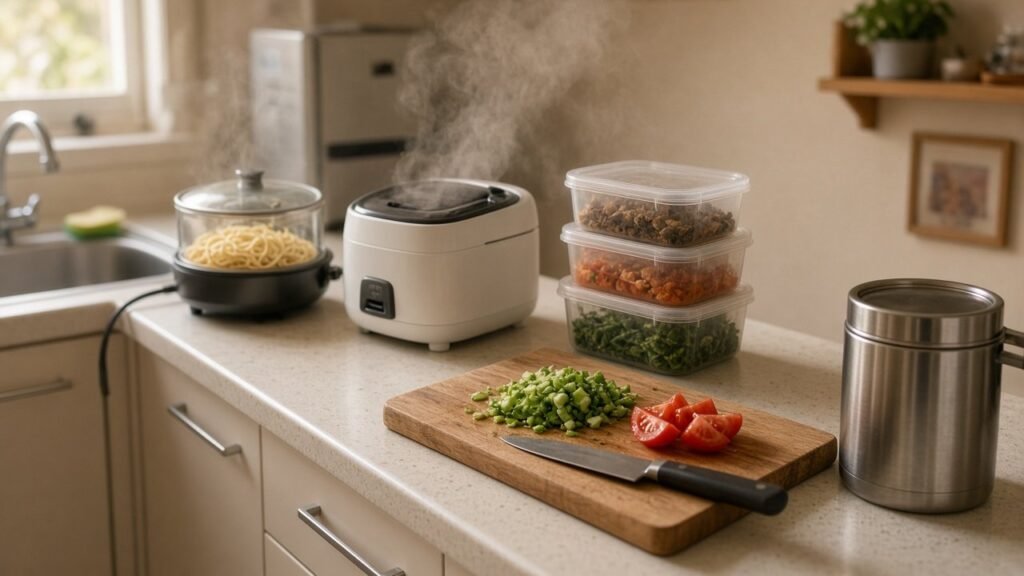
Top 5 Kitchen Essentials for Cooking in Your Dorm or One-Room in Korea
Eating out every day in Korea adds up fast, and convenience-store meals get boring. Many foreign workers start cooking for themselves in a dorm (기숙사) or a small one-room (원룸). The kitchen is usually tiny: one small counter, maybe one induction or gas burner, and not much storage.
This guide lists five simple kitchen items that make cooking in a small space easier, and explains why each one helps. It is general life advice, not a product review. We do not list prices because they change, so please check the product page for the current price and details.
Check your dorm rules before you plug anything in
Some company dorms do not allow cooking appliances in the bedroom, or only allow them in a shared kitchen, for fire safety. Ask your manager or dorm leader first. When you use appliances:
- Do not run several high-power appliances (rice cooker, electric pot, heater) on one power strip (멀티탭) at the same time.
- Never leave a pot boiling while you sleep or go out.
- Unplug appliances after use, and keep them away from curtains and bedding.
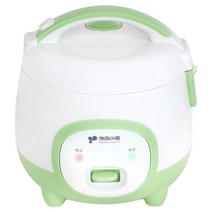
1. A mini rice cooker (미니 전기밥솥) for fresh rice every day
Rice is the center of most Korean meals, and a bag of rice from the mart is cheap for how many meals it makes. A small rice cooker lets you cook enough for one or two days, and many models keep it warm, so you can eat after a late shift.
Tip: cook a bigger batch, then freeze single portions in containers. Microwave them later and the rice tastes almost fresh.
One small option on Coupang is the 키친아트 미니 전기밥솥 KRC-3096. Check the capacity and functions on the product page.
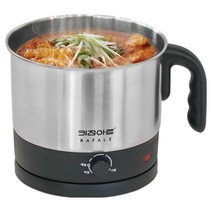
2. An electric multi pot (멀티포트) for noodles, soup and eggs
If your room has no stove, an electric pot is the easiest way to boil water, cook ramyeon (라면), make soup, or boil eggs. It is also handy for cooking food from home, like lentils or curry, in small amounts.
Clean it after each use so smells and oil do not build up, and do not put the base in water.
One option is the 키친아트 라팔 뉴 멀티 포트 KP-1007FT. Read the size and usage notes on the product page.
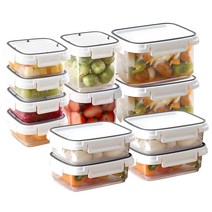
3. Food storage containers (밀폐용기) to save money and space
Cooking once and eating three times is the cheapest way to live in Korea. Good containers let you keep side dishes (반찬), leftover curry or frozen rice in a small shared fridge without spills or smells.
Write your name on your containers if you share a fridge with coworkers. It avoids confusion.
One set with several sizes is the 창신리빙 스카이락 밀폐 반찬용기 12종 세트.
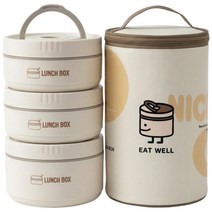
4. An insulated lunch box (보온도시락) for long shifts
Some factories and farms are far from restaurants, and the company meal may not suit your taste or religion. Bringing your own lunch keeps you full and saves money. An insulated lunch box helps keep rice and soup warm for longer in cold weather.
Pack hot food just before you leave, and wash the box the same evening.
One example is this 3-tier 보온 도시락 런치 박스 set with a carry bag. Check how long it keeps food warm on the product page.
5. A basic cooking utensil set (조리도구 세트)
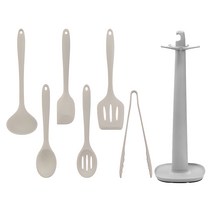
A spatula, ladle and tongs are easy to forget, but you need them on day one. A silicone set is gentle on non-stick pans and electric pots, and it is easy to wash in a small sink.
If you also need a cutting board (도마) and knife (칼), a local mart or Daiso (다이소) usually has cheap basics.
One option is the lilive 실리콘 조리도구 7종 세트.
Don’t forget food waste sorting
In Korea, food waste (음식물 쓰레기) is separated from normal trash. Many areas use special yellow bags or a card-operated bin. Ask your dorm leader or neighbor how it works in your building, because rules differ by city and district.
To order on Coupang you usually need: a Korean phone number for sign-up and verification; often your Residence Card (외국인등록증, formerly called Alien Registration Card) for identity verification; and a payment card or bank account that works in Korea. If one step fails, ask a Korean coworker or your company manager to help you check the settings.
Prices and stock change often, so always check the current price, size and seller details on the product page before you buy.